

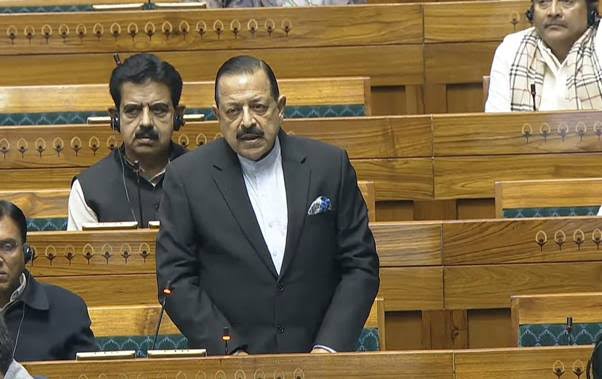
In a major move to strengthen the integrity of public examinations following recent paper leak controversies, including the NEET exam, the Central Government is set to introduce the Public Examinations (Prevention of Unfair Means) Amendment Bill, 2026 in the Lok Sabha. The Bill, to be tabled by Union Minister Dr. Jitendra Singh, seeks to further strengthen the 2024 anti-cheating law and restore public confidence in the examination system.
Under the proposed amendments, individuals found guilty of examination fraud or paper leaks could face 5 to 10 years of imprisonment along with a fine of up to Rs 50 lakh. Organized paper leak syndicates, coaching centres, and other entities involved in such crimes may face 7 to 10 years of imprisonment and fines ranging from Rs 1 crore to Rs 10 crore. The Bill also empowers authorities to seize the properties of organizations and individuals involved in examination-related crimes.
To ensure swift justice, the proposed legislation mandates that investigations be completed within two months. Special Fast-Track Courts will be established in every State and Union Territory to conduct day-to-day hearings and deliver judgments within 90 days of the filing of the chargesheet. The Centre will also have the authority to constitute a Special Task Force (STF) to investigate major or inter-state examination fraud cases.
The Bill introduces stricter security measures for examination centres, including pre-audit of centres, biometric verification of candidates, digital security protocols for seat allocation, OMR sheets, and question paper handling. It also classifies activities such as creating fake examination websites, issuing fake admit cards, and tampering with question papers as serious criminal offences.
The Government has clarified that the proposed law is aimed at organized examination mafias and those involved in large-scale malpractice, not genuine students. Innocent candidates will remain outside the ambit of these stringent criminal provisions and will continue to be governed by the existing administrative rules of examination authorities.
The proposed legislation is expected to strengthen transparency, accountability, and public trust in India’s examination system while sending a strong message against organized examination fraud.
Rohan Choudhary

